NEVER TOO YOUNG TO LEAD THE ECONOMIC DEVELOPMENT AGENDA
The Youth of Africa has been a global topic in recent years. Facing issues like high education but low employment opportunities and exclusion from entrepreneurial support , it is imperative now more than ever to back the rhetoric with action to ensure Youth needs, especially economic ones, are realised in African countries with a large youth population.
In light of this, Democracy Works Foundation (DWF) Lesotho, in partnership with the Federation of Women’s Lawyers of Lesotho (FIDA Lesotho), supported by the European Union Delegation in Lesotho, is implementing a three-and-half project called Putting Youth and Women at the Centre Of Inclusive Economic Growth (PYWIEG) supported financially by the European Union Delegation in Lesotho. The programme’s goal is to increase Youth and Women-led participation in Lesotho’s Small Medium and Micro Enterprises (SMME) ecosystem.
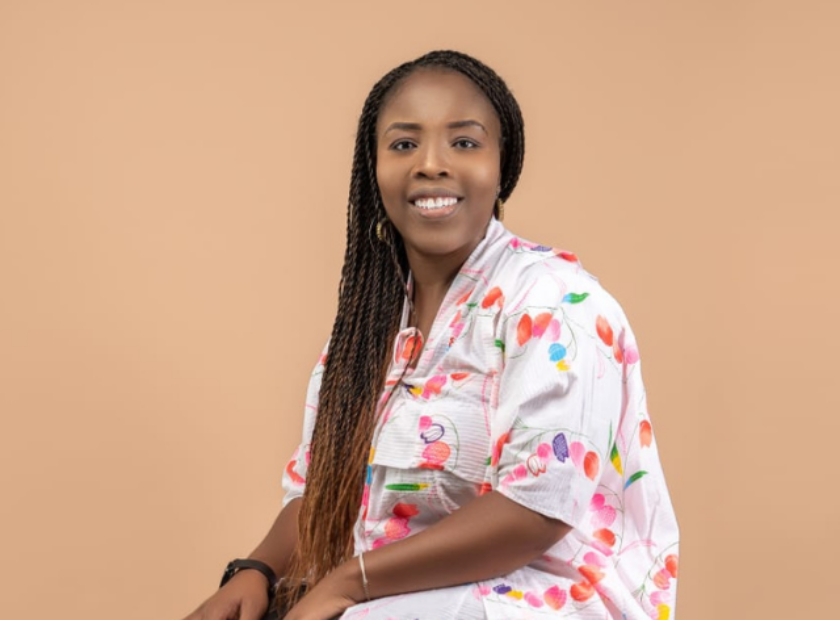
We had a conversation with our pioneering Youth champion and DWF Lesotho Project Manager, Miss Kahisano Kolobe, to unpack the Youth economic needs and opportunities in Lesotho.
What is your role in the PYWIEG project?
I am the Project Manager for the Putting Youth and Women at the Centre of Inclusive Economic Growth (PYWIEG) project. My role centres on ensuring proper planning and execution of the Project as guided by the work plan, budget, Monitoring & Evaluation plan and the Communications and Visibility aspect for the duration of the Project. My role includes Stakeholder Analysis and Management and engaging with the Project beneficiaries and partners. Of course, that also means ensuring my team’s well-being and creating a conducive and healthy working environment for all Project staff.
As a youngperson, how does it feel to be entrusted with a management role?
It’s a privilege to be trusted not only to lead the organisation’s team but also to work directly with the Leadership of Lesotho. It is such a critical responsibility because not only do I get to inform our programming, but I also get to contribute positively to the trajectory of Lesotho’s political and economic development landscape. Sometimes it gets scary to be in a room full of older and more experienced people, but it is also such a beautiful moment when I get a seat at the table to represent the views of Basotho Youth, to be mentored by the best there is, to be prepared for the future: I am part of history in the making!
Why do you think young people are often overlooked for management and leadership positions?
I will be biased and answer this question from a one-dimension youth perspective. I think young people are overlooked in leadership for the following reasons;
- We are perceived as young and still learning, and we still have time and will only lead in the future. What is often overlooked is that leaving us out, not grooming us now, causes a leadership vacuum where we won’t be capacitated with the correct soft and hard skills.
- Our work ethic as young people contributes to being overlooked at times. We sometimes lack the urgency and commitment to prove our readiness to lead. More often, ‘We work to earn and not to learnNot to sound banal, but simple tasks like timekeeping is often problem with young people. Young people who are serious about being taken seriously need to put in more work and time to achieve results. It is vital that young people build our soft skils capacity, even through short courses and free online resources that the digital age provides.
- We don’t trust the process. Some Youths who are from college are equipped with information and theory. They think other people can’t lead them because of what they learned in college. This causes us to be doubted, and we miss the learning and preparation process and opportunities to be groomed adequately.
Why are you passionate about youth leadership?
Young people are the majority in our population and he richest resource that this continent has, 60% being below age 25, much of our country’s development problems lie dormant within Youth that are not given the right set of skills to lead and be trailblazers in their different spaces of influence. We are not harnessing and cultivating the energy and ideas of young people. We think leadership is only about being in a position of power. For me, leadership is influencing and solving problems where ever you are and opening doors for the next person. If you get to be a beneficiary of the results of your leadership, that’s the cherry on top.
What does it take to be a youth leader?
It takes learning, and fully immersing yourself in the tasks you are responsible for, and being passionate about the development of Young people.
Why do you think it's essential for young people to be included and central to economic development in Lesotho?
With Youth at the centre of economic development and growth, we get to inform and direct the country’s economic activities, which for the longest time have been traditional and stuck in the old way of doing things. With the 4IR and technology and how the world has become one global and digital village, it is essential to have the Youth present to represent their ideologies, especially at decision-making platforms. So many opportunities and industries that could be contributing towards our GDP are just not utilised to their fullest.
How do you think the Youth can be capitated and supported to better participate in Lesotho's economic growth?
It starts with an enabling economic environment and policies. Policies that allow for Youth participation with less red tape, for instance. It would also be helpful to have subsidised fees for enterprise activities such as registering a company or accessing credit at a bank. Overall, Youth doesn’t have the financial means to start and maintain enterprises, so funding and mentorship, as well as market opportunities, would go a long way in helping young people build solid, profitable and growing enterprises that can employ many other young people and the larger population.
What is your advice to Lesotho's entrepreneurial Youth interested in playing their part in economic growth?
- Collaborate, as no man is an island.
- Be informed to engage in evidence-based discussions.
- Read, read, read! This will aid in continuous self-development and increased knowledge about the industry and enterprise trends locally and globally
- Use the resources readily available to you, social media has proven to be a great tool to educate and connect people across the globe.
Why Democracy Works Foundation?
DWF is a great organization that focuses on democracy with a close link to capacity development around social issues, especially those faced by women and youth. It’s an organization that aligns very well with my values. For example, a majority of our team in the region comprises more women than men and they have entrusted me, a young person with a leadership role. That’s a testament that this organisation is committed to walking our talk.
What legacy or impact would you like to be known for?
I want to be known for having worked towards opening access and equity to education, leadership and information for young people and women in Lesotho. Working in the Civil Society sector, I am exposed to information that other young people do not have access to that I am invested in sharing with other young people in my work and personal capacity. I’m also a champion of education, as it has played an important role in shaping my life; without it, I would probably be stuck in the streets of Lithabaneng with three children, continuing the poverty cycle within my family. But here I am, serving my country and proudly representing the young leaders of Lesotho!
There might be negative perceptions about African Youth, but you cannot doubt their drive and commitment to see our countries and this continent moving to extraordinary lengths to eradicate poverty and improve Youth inclusion in growing our economies.


Related Posts